
The Global Apprenticeship Network (GAN) is a business-driven alliance that promotes work-based learning and apprenticeships across multiple sectors as a way to bridge the gap between the skills people have and the skills employers need.
GAN empowers people, businesses and communities to thrive in a world of transformation by delivering workplace education and training to align skills with the demands of the labour market.
GAN New Zealand:
- Strengthen companies’ and organisations’ engagement in apprenticeships.
- Shares best practices in the areas of apprenticeships, mentoring and on-the-job training
- Encourages effective knowledge sharing programmes and partnerships from GAN’s network of committed local and global companies and organisations.
Highlight of the Month
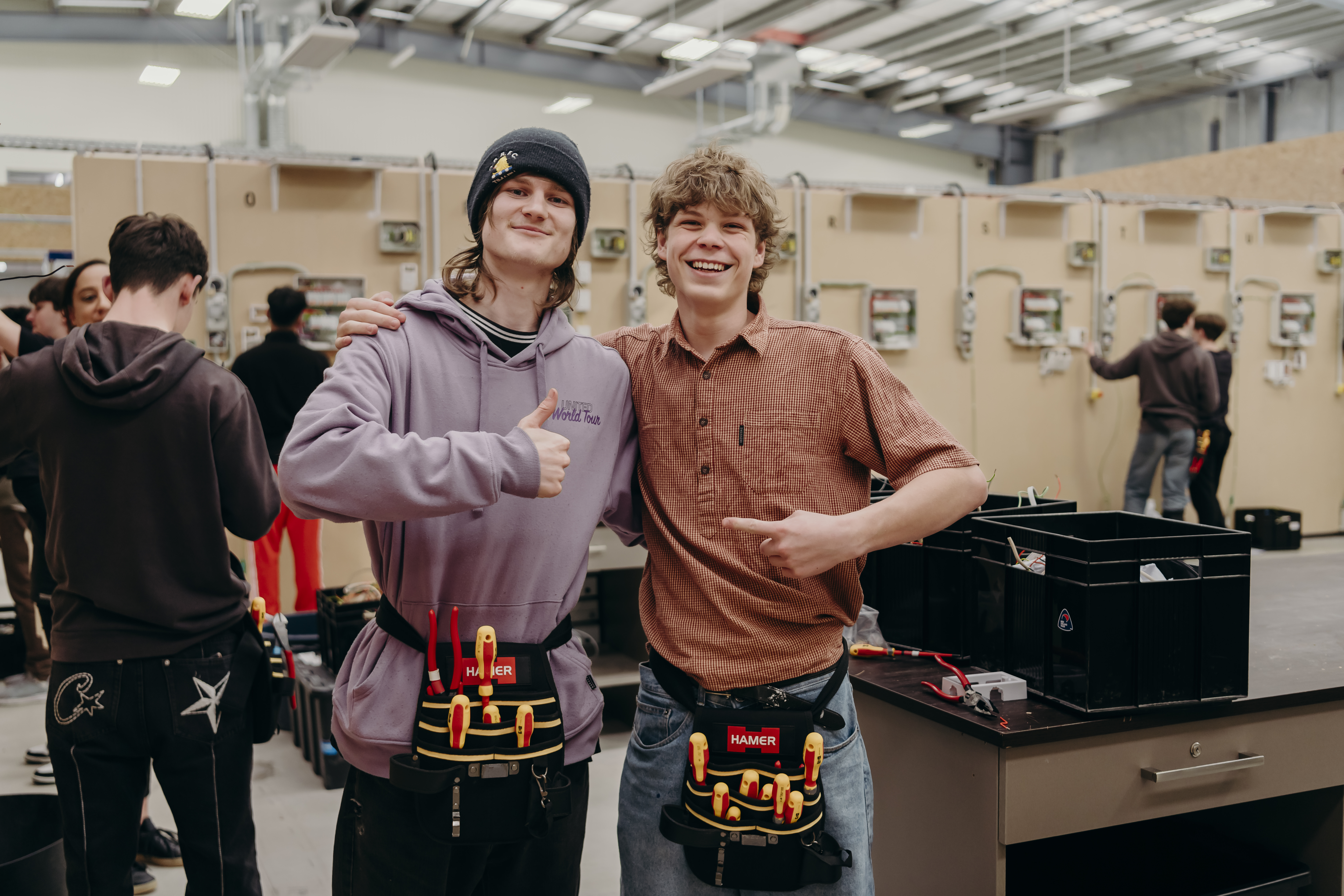

GAN New Zealand: 2025 Year in Review
As 2025 draws to a close, we’re reflecting on a year of meaningful progress in vocational education and training across Aotearoa.
Our key highlights this year:
Advocacy for systemic change – We supported calls for stronger school-to-industry pathways, recognising that while excellent work already exists, policy changes are needed to create a more flexible and effective school-to-work system. We contributed to Government consultations on policy reforms including changes to NCEA qualifications, providing detailed feedback to TEC on the new Tertiary Education Strategy, funding determinations and the proposed funding process. Through the NZVETRF, we brought Ministers Penny Simmonds and Erica Stanford together with practitioners and researchers to discuss the future of vocational education reform.
Sharing best practice – We showcased models that work across multiple sectors. Cook Brothers Construction’s Apprenticeship Academy demonstrated how dedicated mentoring through an Apprenticeship Development Coach improves retention and skill development. Norwood’s programme illustrated effective combinations of structured training, mentorship, and hands-on equipment servicing experience. We highlighted the Te Waharoa programme, a pre-trades training partnership between BCITO and Whatukura Ltd, has successfully placed more than 100 rangatahi into trades careers.
Evidence-based research – As a proud sponsor of the New Zealand VET Research Forum in November, we brought together researchers and practitioners from across New Zealand and internationally. Having Kathryn Rowan, Executive Director of GAN Global, as our keynote speaker was a particular highlight. We also shared on LinkedIn research from GAN Australia demonstrating that apprenticeships deliver returns of up to $1.40 per dollar spent by employers and $4.76 for government and communities.
Gender equality in trades – Our case studies featuring women in electrical and construction roles provided practical insights into pathways, successes, and challenges, aiming to inspire the next generation of women in trades. We also amplified BCITO’s “Actions Speak Louder” initiative, which addresses practical barriers women face in construction through tangible solutions.
Our most engaged content focused on practical, evidence-based approaches to apprenticeship development, demonstrating the sector’s appetite for actionable insights that can be implemented.
Looking to 2026:
We’ll continue as thought leaders for VET in New Zealand, continue to grow the NZVETRF, advocate for increased apprenticeships and workplace equity, and strengthen our connections with the global GAN network.
Thanks to everyone who engaged with our content, shared your experiences, and contributed to advancing vocational education in Aotearoa. Together, we’re building a system that works for learners, employers, and communities.
Become a GAN New Zealand Member
Fill in the below form and our team will follow up with you shortly.
Our focus areas:

Gender
Despite some recent encouraging trends, women are underrepresented in a number of trades areas. GAN New Zealand’s hosting organisation, Skills Group, has been part of a three-year research programme in New Zealand to understand the barriers to participation in traditionally male-dominated trades, and we believe the perception issues highlighted by the research can provide valuable insights to others, as well as continue to effectively advocate for much-needed change.

Equity and achievement
While there are persistent achievement gaps between Māori and non-Māori across New Zealand’s Education system, Tertiary Education Commission data shows these gaps are observed least in employer-led traineeships and apprenticeships. This finding is a testament to the effectiveness of work-based learning, standing alongside the substantial range of evidence we are able to offer the global network on what has worked to improve the participation and achievement of priority learner groups, and sustain these outcomes.

Employer capability
Achieving strong outcomes from work-based learning systems has as much to do with how we support the employer as it does with how we support the employee. We know that the drag on New Zealand’s productivity relates to management and supervisory capability, and as small enterprises dominate the New Zealand market, building employer capability can help businesses improve and grow while getting the most value out of their training investments.

Degree-level and advanced apprenticeships
While one-off pilots and good work has been achieved in some areas, policy and operational barriers remain. These hold back work-integrated pathways and apprenticeship models to achieve higher level qualifications, including degrees. As part of vocational sector reform and the qualifications framework, GAN New Zealand is keen to broker new connections between the higher education and vocational education sectors in New Zealand.